

Should you keep going?
Your mid-year author audit.

Hi Writers,
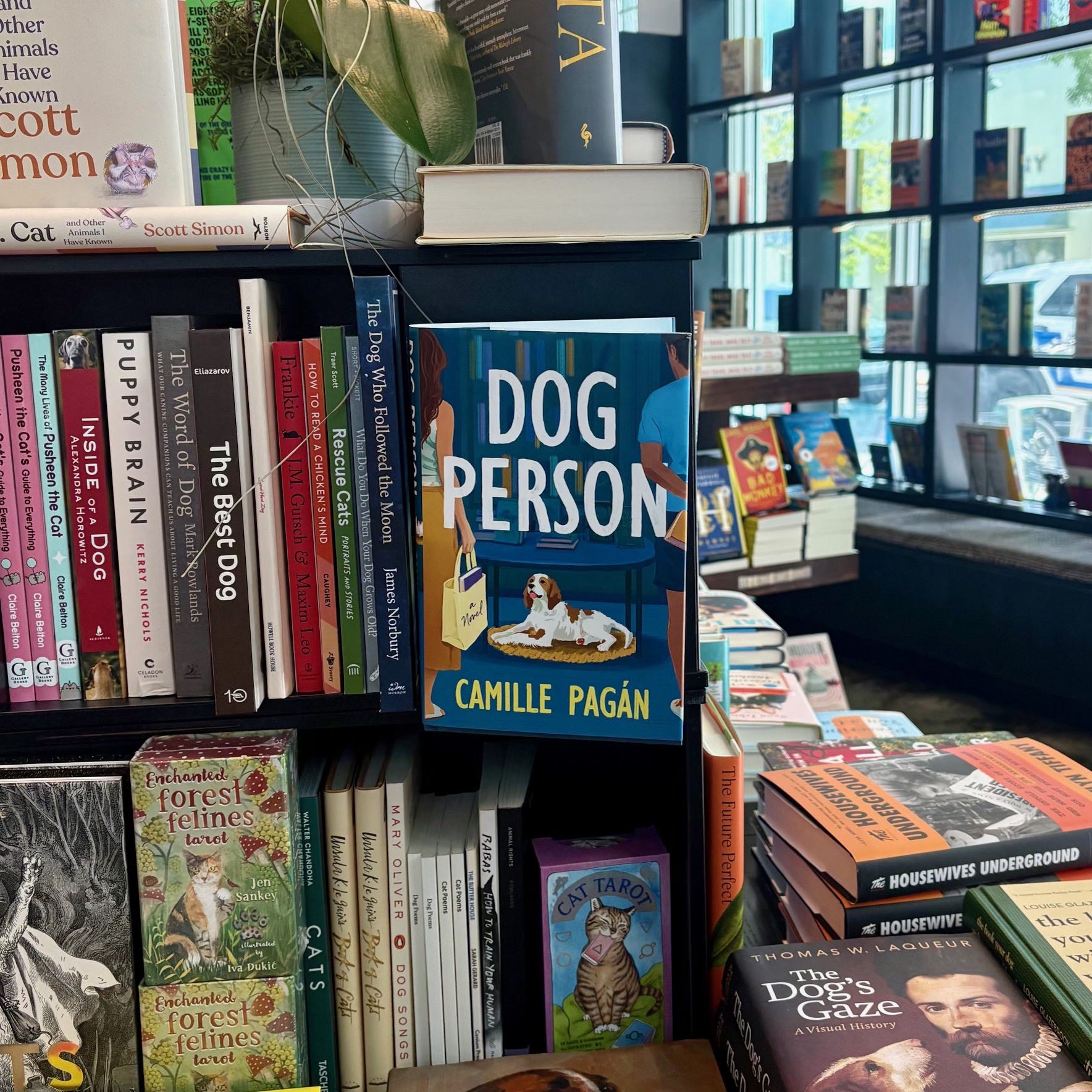
This time two years ago, I had already done six edits on Dog Person (yes, six; I went back and counted) when my agent emailed.
I have a few more suggestions that I think will take this story all the way. Are you up for one more round of edits?
I remember staring at that email with tears in my eyes. I was so. Very. Tired. And I had already spent three times as long as I normally do working on the manuscript. I’ll be honest with you: What I was up for was quitting.
But I trust my agent; that’s why we’ve worked together for well over a decade. And at the end of the day, I needed her full buy-in on my story if I wanted her to take it out to publishers. So I went back to the draft and gave it even more of my time and mental energy. A few months later, I sent her the revision—which she promptly sold at auction in the U.S. and to multiple foreign publishers.
I’m so glad I kept going. And I bring this up to you because lately, I’ve been coaching a lot of writers on stopping too soon. Novelists who feel like they’re failing before they’ve even sent 20 queries out. Other novelists in the same position I was in: knowing their drafts need more, but feeling weary and wanting to quit. Authors who didn’t have success with one tactic and wonder if they should throw in the towel on all marketing.
So I encourage you to ask yourself: Am I giving up too soon in any area of my writing?
As I shared in yesterday’s podcast episode, I recently added this question to my mid-year assessment. I’ve been using this simple framework for the past several years, and highly recommend it. It’s an opportunity to take credit for what you’ve accomplished while assessing whether you need to pivot, start again—or yes, keep going.
If you’d like to try my assessment, here are the questions I use:
What were the highlights of the past six months? (Note: You can use the same framework quarterly if you’d like, as well as for your personal life.) We often fail to take credit, even as we focus on our perceived shortcomings—so this question is essential for clarity and confidence. How did you grow and what did you accomplish? If you can’t remember, comb through your calendar, emails, and texts to jog your memory.
What worked for me? What strategies and mindsets helped you succeed and/or feel better? For example, I’ve set firmer boundaries around my writing time, which allowed me to edit my twelfth book much faster than normal.
What didn’t work for me? Don’t sugarcoat it. This is just for you, so it’s okay to be blunt about what wasn’t effective, as well as what you simply didn’t like.
Is there any area of my writing in which I’m giving too soon? Not sure? Ask yourself: What might happen if I keep going? If your answer fills you with dread or preemptive regret, that might be a sign it really is time to call it quits. But if you know that continuing is the only way to get what you want, keep going (at a reasonable pace, of course, and with support, if at all possible).
Where did my income come from? If you make money from your writing and/or you run another business, assessing your income sources is a great way to figure out how to market in the second half of 2026. For example, my audio sales have been strong, so I’m considering running ads on audiobooks.
What changes do I want to make in the next quarter and/or six months? After you answer the above questions, it’s usually relatively easy to identify your next best moves. Because I’m a fan of simplicity, I limit this list to three key objectives for the coming quarter.
If you try this, please let me know how it goes! I respond to every email.
And if you’re seeking support from yours truly and a spectacular group of dedicated novelists, join the Q3 Career Novelists Membership. We’re going deep on making more time for writing—even if you have a demanding day job, caregiving responsibilities, or aren’t making money from your fiction yet. Our first session kicks off tomorrow, and I’d love to coach you this summer.
Happy writing,
Camille
Great News from My Clients:
Roxie in Color, a middle-grade novel co-written by Diane Debrovener (with Stacy Cervenka), is praised in Publishers Weekly for being a trailblazer in accessibility for readers. (You can also learn more about the novel here.)
Lucy Day’s latest novel, My Star-Crossed Summer, just won the silver IPPY award for romance!
P.S. Looking for a writing retreat this fall? Join around 20 women’s fiction writers of all levels and publishing paths in Golden, Colorado, September 24th-27th for a retreat centered on focused writing time, rest, and building community, with a little adventure on the side. Come with your draft and leave with a few new people in your corner. No retreat fees, but travel and accommodations are your own. Reach out to Elizabeth Gillman at neagillman@gmail.com for more details.
This an excellent post for the self-publishing writer as well as those with agents. I have written a first draft. I really like the protagonist and the story, but the first draft writing is very lackluster and it's a huge job to fix everything. But your encouragement is excellent this moment advice to fix it up and make it better or as good as it can be. Then send it for developmental editing with suggestions only to improve what is already there. Not totally reject the story that already exists and start all over again from zero. If it's true to one's heart, that's mostly a better overall feeling then having more successfully written one's book to market. Some have enough genius to do both. But if a novel feels fulfilling enough, it will be worth it. Thanks again.
Once again, a perfectly timed post for yours truly! Thank you for the encouragement, as well as the practical steps of sorting what works and what detracts.